
Boost Your Practice: 6 Effective Dental Appointment Reminder Strategies
The Silent Drain on Your Dental Practice
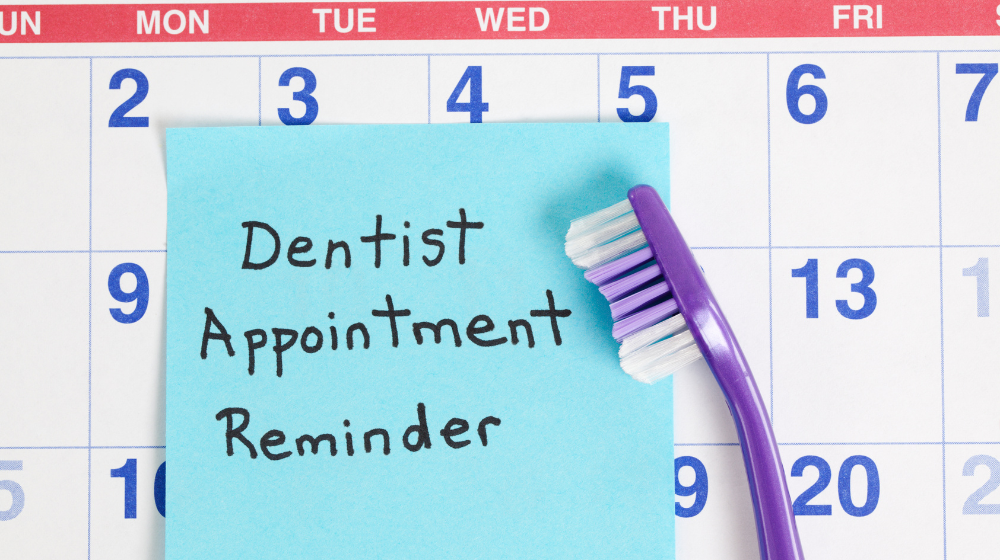
The smooth operation of any dental practice hinges on a well-managed schedule. Yet, a persistent and often underestimated challenge quietly erodes practice efficiency, revenue, and patient care: the silent drain of missed appointments. These no-shows and last-minute cancellations create significant operational friction, leaving valuable chair time empty and impacting the consistent delivery of crucial dental care. In a competitive healthcare landscape, optimizing patient communication is no longer a luxury but a necessity for sustainable practice growth and enhanced patient well-being. This article delves into six effective dental appointment reminder strategies designed to transform your practice by minimizing missed appointments, strengthening patient relationships, and ensuring your schedule consistently reflects your practice's full potential.
The Cost of Missed Appointments: Understanding Patient No-Shows and Cancellations
The financial impact of no-shows is substantial, affecting both the national healthcare system and the daily revenue of individual dental practices.
Missed dental appointments represent a significant financial and operational burden for dental practices. The estimated cost of no-shows in the U.S. healthcare industry alone reaches a staggering $150 billion annually, with an average of $200 lost per unoccupied time slot [Intiveo, 2024]. This financial leakage directly impacts a practice's profitability and its ability to invest in further patient care or practice improvements. Beyond the immediate monetary loss, no-shows disrupt workflow, leading to unpredictable gaps in the schedule, reduced staff productivity, and increased administrative overhead as teams scramble to fill last-minute openings or reschedule appointments.
The Opportunity: How Strategic Reminders Transform Your Practice
The good news is that the challenge of missed appointments is largely preventable through strategic patient communication. Implementing a robust appointment reminder system moves beyond simply notifying patients about their upcoming dental appointments; it becomes a proactive tool for engagement, education, and relationship building. Effective reminders enhance patient retention, boost patient satisfaction by demonstrating care and attention, and ultimately lead to a more predictable and profitable schedule. A well-executed communication strategy can significantly improve attendance rates, ensuring that patients receive the consistent care they need for optimal oral health.
What You'll Learn: Mastering the Art of Patient Engagement
This guide will equip you with seven actionable strategies to revolutionize your dental appointment reminder system. You will learn how to:
- Craft a layered, multi-channel reminder approach that respects patient preferences.
- Leverage patient data for personalized communication that fosters stronger connections.
- Provide value-added information beyond basic appointment details to prepare patients effectively.
- Harness the power of automation to streamline your workflow and reduce administrative burden.
- Develop proactive re-engagement strategies for patients who do miss appointments.
- Build a robust recare and retention engine for ongoing preventive care.
- Integrate these strategies to create a comprehensive system for improved practice management and enhanced patient outcomes.
The Root Causes of Missed Dental Appointments
Understanding why patients miss their dental appointments is the first step toward developing effective reminder strategies. The reasons are multifaceted and often interconnected, requiring a nuanced approach to communication.
Forgetting and Overbooking: The Memory Challenge
Human memory is fallible. For many patients, busy lives and competing priorities mean that appointments simply slip their minds. A significant portion of patients who miss appointments do so because they forgot, highlighting the critical need for timely and recurring reminders. This is particularly true for routine appointments like cleanings, which patients may not perceive as urgent.
Scheduling Conflicts: Balancing Life's Demands
Life is unpredictable. Patients may face unexpected work obligations, family emergencies, or prior commitments that conflict with their scheduled dental appointments. While advanced notice can sometimes allow for rescheduling, last-minute conflicts are common, leading to cancellations or no-shows.
Patient Anxiety and Fear: Overcoming Dental Phobia
Dental anxiety and phobia are significant barriers for many patients. The anticipation of pain, discomfort, or a negative experience can lead some individuals to avoid their appointments altogether. In such cases, reminders need to be delivered with empathy and reassurance, focusing on the positive aspects of dental care and the practice's commitment to patient comfort.
Financial Concerns and Insurance Confusion
Uncertainty about costs, insurance coverage, or payment options can deter patients from attending appointments, especially for more extensive treatment plans. If patients are unsure about their financial responsibility, they may delay or forgo necessary care. Clear communication regarding financial expectations can help alleviate this concern.
Transportation Issues and Logistical Hurdles
Practical challenges such as lack of transportation, inconvenient clinic locations, or difficulties with parking can also contribute to missed appointments. For patients facing these hurdles, reminders can include helpful information like directions, parking guidance, or even suggestions for public transport options.
The Impact on Patient Care and Oral Health
Missed appointments do more than just disrupt a practice's schedule; they directly impede a patient's oral health journey. Delayed cleanings can lead to the progression of gum disease and cavities. Postponed treatments mean that minor issues can escalate into more complex and costly problems. Ultimately, a consistent schedule of dental appointments is fundamental to maintaining optimal oral hygiene and overall well-being.
Strategy 1: The Multi-Channel Harmony – Crafting a Layered Reminder Cadence
Recognizing that patients have diverse communication preferences, an effective reminder strategy employs multiple channels in a coordinated fashion. This multi-channel harmony ensures messages reach patients through their preferred medium, significantly increasing the likelihood of confirmation and attendance.
The "Rule of Three" (or More): Optimal Timing for Confirmation
A common best practice involves sending a series of reminders at strategic intervals. While the "Rule of Three" suggests three touchpoints, many practices find success with four or more, especially for more complex appointments. This cadence typically includes:
- Initial Confirmation: Sent immediately after booking to secure the appointment.
- Pre-Appointment Reminder 1: Typically sent 7-10 days prior to the appointment.
- Pre-Appointment Reminder 2: Sent 2-3 days prior to the appointment.
- Day-Before Reminder: Sent 24 hours before the appointment.
This layered approach reinforces the appointment details and provides ample opportunity for patients to reschedule if necessary.
SMS Text Message Reminders: Instant, Direct, and High Response Rates
SMS text messages offer immediate delivery and exceptionally high open rates, making them ideal for concise, timely reminders. Studies show that SMS reminders can significantly reduce no-show rates, with some research suggesting a reduction of 38-40% [Imperial College London study, 2025]. Furthermore, sending these text messages helps reduce missed appointments from 31% to 14% [Yapi, 2023]. This direct communication method is particularly effective for quick confirmations and last-minute updates. It’s crucial to obtain explicit patient consent for SMS communication to comply with privacy regulations.
Email Reminders: Detailed Information and Value-Added Content
Email reminders provide a platform for more detailed communication. Beyond simply stating the appointment date and time, emails can include links to patient forms, pre-appointment instructions, information about the dental team, or even links to educational content relevant to the patient's upcoming treatment. Patients who receive text or email reminders are 25% less likely to miss an appointment [ProSites, n.d.]. Emails serve as a valuable resource and a more formal record of appointment details.
Phone Call Appointment Reminders: The Personal Touch for High-Value or First-Time Patients
While automation is efficient, a personal phone call retains its power, especially for high-value patients, first-time visitors, or those with complex treatment plans. A direct conversation allows for addressing any immediate concerns, confirming understanding, and reinforcing the practice's commitment to personalized care. This human interaction can build rapport and ensure that critical details are clearly communicated.
Diverse Channel Considerations: Integrating Physical Reminder Cards and Patient Portal Notifications
Don't overlook other communication channels. Physical reminder cards, handed out at the end of an appointment, serve as a tangible takeaway. Patient portals, if your dental practice uses one, offer a secure platform for patients to view their upcoming appointments, access records, and manage their schedule. Integrating these diverse touchpoints creates a comprehensive communication ecosystem.
Understanding Patient Communication Preferences: Tailoring the Channels
The most effective multi-channel strategy prioritizes patient preference. During patient intake or through existing patient records, inquire about their preferred method of communication for appointment reminders. A system that allows patients to select their preferred channel—SMS, email, or phone—enhances engagement and ensures your reminders are seen and acted upon. Approximately 49% of dental practices currently utilize automated reminders to communicate with patients [NexHealth, 2025], indicating a growing trend towards digital solutions.
Strategy 2: The Personal Touch – Leveraging Patient Data for Connection
Generic appointment reminders are easily overlooked. True personalization, however, transforms a routine notification into a meaningful touchpoint that strengthens the patient-practice relationship and demonstrates a commitment to individual care.
Beyond "Hello [Patient Name]": True Personalization for Stronger Patient-Practice Relationships
Personalization goes beyond simply addressing the patient by name. It involves tailoring the message content to reflect the patient's specific appointment and history. This could include referencing past conversations, acknowledging their loyalty, or referencing their known preferences. Such tailored communication fosters a sense of being valued and understood.
Incorporating Appointment Details: Date, Time, Provider, and Treatment Type
Every reminder should clearly state the essential details: the exact date and time of the dental appointment, the name of the treating dentist or hygienist, and a brief description of the service (e.g., routine cleaning, exam, specific procedure). This clarity prevents confusion and ensures the patient is prepared for the correct service.
Customizing Messages Based on Appointment Type: Cleanings, Exams, or Complex Treatment Plans
The content of a reminder should vary based on the appointment type. For a routine cleaning, the message might focus on the benefits of preventive care. For a patient undergoing a complex treatment plan, reminders can include links to information about the procedure, post-operative care instructions, or encouragement for adherence to the plan. This tailored approach respects the unique needs associated with different types of dental care.
Family Grouping: Streamlining Reminders for Entire Households
Many patients manage appointments for their entire family. A sophisticated reminder system can group family members and send consolidated reminders for multiple appointments, making it easier for parents or guardians to track and manage their household's dental care schedule. This not only adds convenience but also helps prevent multiple individual appointments from being missed.
Addressing Specific Concerns: Gentle Reminders for Anxious Patients
For patients known to experience dental anxiety, reminders can be crafted with extra care. Messages can include reassuring language, highlight the practice's comfort measures, and reiterate the importance of their visit for their long-term oral health. This empathetic approach can reduce pre-appointment stress and encourage attendance.
The Balance: Personalization vs. Privacy (Personal Health Information)
While personalization is powerful, it must be balanced with patient privacy. Ensure that any personalized information shared is within the bounds of what the patient has agreed to and complies with HIPAA regulations. Avoid sharing sensitive Protected Health Information (PHI) in unsecured communication channels like standard email or SMS without explicit consent.
Strategy 3: The Proactive Patient Guide – Value-Added Pre & Post-Appointment Reminders
Effective dental appointment reminders extend beyond simply confirming the date and time. They can serve as valuable tools to prepare patients for their visit and guide their care journey, enhancing their overall experience and adherence.
Setting Expectations: Pre-Appointment Instructions (e.g., fasting, bringing forms, medication lists)
For many dental procedures, specific preparation is required. Reminders can include clear instructions on whether the patient needs to fast, what forms to bring, or a list of current medications and allergies. Providing this information in advance minimizes day-of confusion and ensures the appointment can proceed smoothly and safely.
Financial Preparation: Gentle Reminders about Payment Options or Insurance Confirmation
Addressing financial aspects proactively can significantly reduce patient apprehension. Reminders can gently prompt patients to confirm their insurance details or mention available payment options. This transparency helps patients feel prepared and reduces the likelihood of them delaying or canceling due to financial uncertainties.
Directions and Parking Information: Reducing Day-Of Stress
For new patients or those who haven't visited in a while, clear directions to the practice and information about parking availability can be incredibly helpful. Including this logistical information in reminders reduces day-of stress and increases the likelihood that the patient will arrive on time, prepared for their dental appointment.
The Power of Automation: Integrating Practice Management Software
Manual reminder systems are time-consuming and prone to error. Leveraging Practice Management Software (PMS) is crucial for implementing efficient and automated reminder strategies. Modern PMS platforms often have integrated or add-on reminder functionalities that can automatically send communications via SMS, email, or even initiate phone calls based on pre-set rules. This automation frees up administrative staff to focus on higher-value tasks, reduces operational costs, and ensures consistent communication without manual oversight.
Automated Confirmations and Rescheduling
Many automated systems allow patients to confirm their appointments directly through the reminder message (e.g., by replying "C" for confirm or "R" for reschedule). This immediate feedback loop helps practices update their schedule in real-time. Automated rescheduling prompts can also be configured to offer available slots, empowering patients to quickly find a new appointment time that works for them, thereby minimizing lost production.
Key Software Features to Look For
When selecting or utilizing a PMS for reminders, look for features such as:
- Multi-channel communication capabilities (SMS, email, voice).
- Customizable message templates.
- Patient preference management.
- Automated confirmation and rescheduling options.
- Integration with your existing PMS.
- Reporting and analytics on reminder effectiveness.
- HIPAA compliance.
Strategy 4: Re-Engagement Strategy – Turning Missed Appointments into Opportunities
Even with the most robust reminder systems, some appointments will inevitably be missed. Rather than viewing these as lost opportunities, a strategic re-engagement approach can turn them into chances to reconnect with the patient, understand their situation, and encourage them to return.
Follow-Up for Missed Appointments: Reconnecting with Patients
A proactive follow-up message or call to patients who missed an appointment is essential. This outreach demonstrates that the practice values their care and is concerned about their well-being. It provides an opportunity to inquire about any issues they encountered and to offer assistance in rescheduling.
Automated Reschedule Prompts and "Rescue" Messages
Leverage automation to send immediate follow-up messages after a no-show, prompting the patient to reschedule and offering a direct link to an online scheduling tool or a dedicated phone number. For cancellations, consider sending a "rescue" message to patients on an ASAP list, offering them the newly available slot. This can fill last-minute openings and ensure the schedule remains optimized.
Reconnecting with Patients on a Treatment Plan
For patients who missed appointments crucial to their treatment plan, the follow-up is even more critical. It's an opportunity to gently reiterate the importance of adherence for their health outcomes and to address any barriers that may have prevented their attendance. This focused communication can help keep patients on track with their necessary dental care.
Strategy 5: The Recare & Retention Engine – Cultivating Long-Term Oral Health
Effective reminders aren't just about scheduled appointments; they are fundamental to a proactive recare program that ensures patients receive regular preventive care, which is vital for long-term oral health.
The Role of Recall Reminders for Preventive Care
Regular dental cleanings and check-ups are the cornerstone of preventive dentistry. Automated recall reminders, sent at appropriate intervals (typically every six months), are essential for prompting patients to schedule these vital appointments. This systematic approach helps prevent issues before they become serious.
Automating Recare Sequences for Preventative Services
Your Practice Management Software can be programmed to automatically generate recall reminders based on a patient's last visit date for cleanings or exams. This ensures that no patient falls through the cracks and that your practice consistently promotes essential preventive services, reinforcing the value of ongoing dental care.
Strategy 6: Measuring and Optimizing Your Reminder System
The effectiveness of any strategy is best determined through consistent measurement and analysis. Regularly reviewing your reminder system's performance allows for continuous optimization, ensuring you’re achieving the best possible outcomes for your practice and your patients.
Tracking Key Performance Indicators (KPIs)
Monitor metrics such as appointment show rates, no-show rates, cancellation rates, and patient response rates to different reminder channels. Analyzing these KPIs will reveal which strategies are most effective for your patient population and identify areas for improvement.
Gathering Patient Feedback
Actively solicit feedback from your patients regarding your reminder system. What do they find most helpful? Are there any channels they prefer not to be contacted through? Incorporating patient feedback ensures your communication remains relevant, appreciated, and effective, fostering stronger patient loyalty and trust.
Conclusion
Implementing a strategic dental appointment reminder system is a cornerstone of efficient practice management and exceptional patient care. By embracing a multi-channel approach, leveraging personalization, providing value-added information, and harnessing the power of automation, dental practices can significantly reduce no-shows and cancellations. This not only safeguards revenue and optimizes schedules but, more importantly, ensures patients receive the consistent, timely care they need for optimal oral health. From immediate confirmations to proactive re-engagement and long-term recare strategies, these six effective approaches empower your dental practice to build stronger patient relationships, improve operational efficiency, and ultimately, deliver superior patient outcomes. Start by evaluating your current system and implementing one new strategy this week to begin transforming your practice.
Curve Dental
The team behind Curve Dental serves up content across all things dentistry to help you make informed decisions for your practice(s).