
The Basic Dental Setup: Equipment, Layout, Technology, and Startup Costs
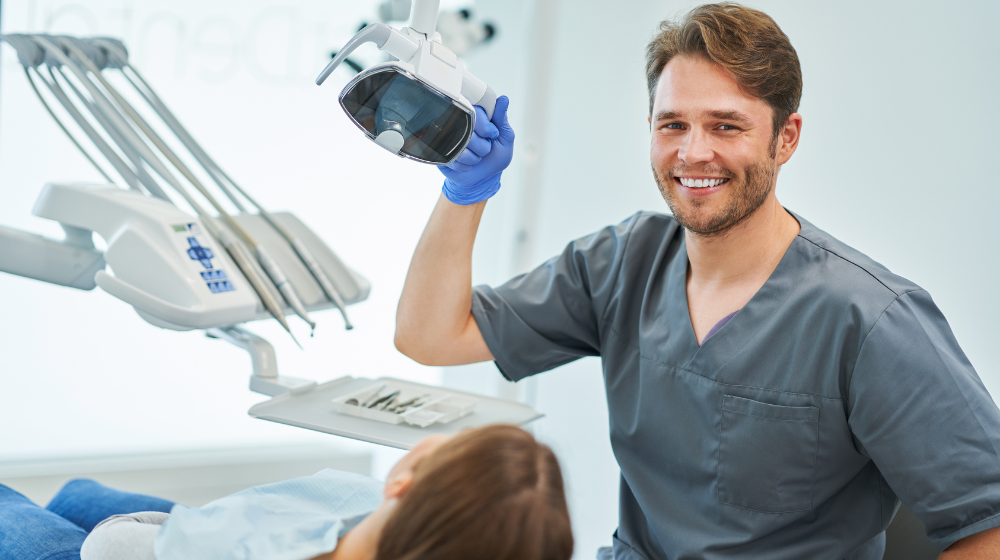
Getting your dental setup right from day one is one of the most consequential decisions you'll make as a new practice owner. The choices you make early — around space, equipment, software, and workflow — shape every patient interaction and every billing cycle for years to come.
Opening a dental practice is exciting, but it's also complex. According to the ADA, new dentists face a layered set of operational, financial, and regulatory decisions before a single patient walks through the door.
A successful practice isn’t just about clinical skill — it’s about building a system that supports it.
Think of this guide as your roadmap. We’ll move beyond a basic checklist and focus on what each decision actually means in practice — starting with equipment.
Essential Equipment for New Dental Practices
Building a new dental practice means making smart equipment decisions before your first patient arrives. Think of it less like shopping and more like system design — every piece needs to work together.
At the core of any practice, you’ll need:
-
Dental delivery units (air, water, suction)
-
Diagnostic tools (X-ray systems, intraoral cameras)
-
Sterilization equipment (autoclaves, ultrasonic cleaners)
-
Operatory cabinetry and lighting
-
Practice management software
Early equipment decisions have long-term implications for workflow and patient experience — so rushing this stage rarely pays off.
A practical approach: prioritize clinical essentials first, then layer in advanced technology as revenue stabilizes. At the center of it all is the dental chair.
Choosing the Right Dental Chair
The dental chair is the centerpiece of your clinical setup. Every procedure depends on it.
Choosing the right one means balancing performance, comfort, and durability.
Key factors to evaluate:
-
Ergonomics — supports proper positioning for patient and clinician
-
Durability — materials and warranty coverage
-
Compatibility — integration with delivery systems and cabinetry
-
Patient comfort — cushioning, armrests, recline range
Think of the chair as a platform, not just furniture. Everything around it depends on this decision.
Aligning chair selection with your procedure mix early prevents costly changes later.
Delivery Units and Their Functions
Once the chair is selected, the delivery unit becomes your next critical decision. It controls how instruments are positioned and accessed during treatment.
Three main configurations:
-
Patient-mounted (chair-mounted) — convenient but less flexible
-
Assistant-side delivery — improves four-handed efficiency
-
Rear delivery (doctor-mounted) — reduces cross-contamination risk
Rear delivery systems are often preferred in high-volume practices for ergonomics, but they require more space and higher investment.
Small inefficiencies here compound over time — especially in busy practices.
Infection Control Measures
Infection control isn’t just compliance — it’s foundational to patient safety and trust.
Every operatory should include:
-
PPE (gloves, masks, face shields, gowns)
-
Sterilization equipment (autoclave)
-
Surface disinfectants (EPA-approved)
-
Sharps disposal and medical waste protocols
A strong setup includes a dedicated sterilization area with a clear dirty-to-clean workflow. This reduces risk and supports consistency.
Getting this right early prevents operational issues later.
Setting Up the Operatory: Layout and Design
Layout matters just as much as equipment.
A well-designed operatory keeps everything within reach, reduces movement, and shortens chair time.
Most practices choose right- or left-handed layouts based on the primary provider. It’s a simple decision that prevents long-term strain.
Space planning is one of the most overlooked — and most impactful — decisions.
Best Practices for Operatory Design
A strong operatory design balances efficiency, comfort, and precision.
Traffic Flow
Think in zones:
-
Dentist: 9–12 o’clock
-
Assistant: 2–4 o’clock
This reduces crossing, reaching, and fatigue.
Equipment Placement
Position tools like X-ray systems to minimize patient repositioning.
Lighting and Storage
-
Adjustable lighting reduces strain
-
Accessible storage reduces interruptions
Small improvements here compound into better daily performance.
Technology Integration in Dental Practices
The treatment room is only part of the system. Technology connects everything behind the scenes.
This includes:
-
Digital radiography
-
Intraoral cameras
-
Practice management software
Practice management software is especially critical — it connects scheduling, billing, and patient records.
Choosing integrated systems early prevents costly migrations later.
A strong tech stack doesn’t just improve care — it reduces operational friction.
Cost Considerations for Setting Up a Dental Practice
Startup costs typically range from $250,000 to $500,000, depending on location and scope.
Major cost areas:
-
Clinical equipment (largest expense)
-
Buildout and construction
-
Practice management software
A practical approach:
Start with essentials. Add efficiency tools over time.
The biggest risk isn’t overspending — it’s spending without a plan.
Common Mistakes to Avoid When Setting Up a Dental Practice
Planning gaps are where most practices struggle.
Common mistakes:
-
Underestimating operatory count
-
Skipping a business plan
-
Overlooking compliance requirements
-
Choosing software without considering training
-
Overspending on aesthetics vs. function
The biggest mistake:
Opening without a clear operational strategy.
Every decision should tie back to patient care and business sustainability.
Dental Practice Setup Conclusion
Setting up a dental practice is demanding — but done right, it creates long-term stability and growth.
A strong setup supports:
-
Clinical excellence
-
Patient experience
Key takeaways:
-
Prioritize essentials first
-
Design for flow and efficiency
-
Invest in scalable technology
-
Avoid preventable mistakes
A well-planned setup isn’t just about equipment.
It’s about building a system that works — from day one.
*This content was partially generated by artificial intelligence. It may contain errors or inaccuracies, and should not be relied upon as a substitute for professional advice.

Curve Dental
The team behind Curve Dental serves up content across all things dentistry to help you make informed decisions for your practice(s).