
Dental Claim Forms: What They Are, How They Work, and Why Accuracy Matters
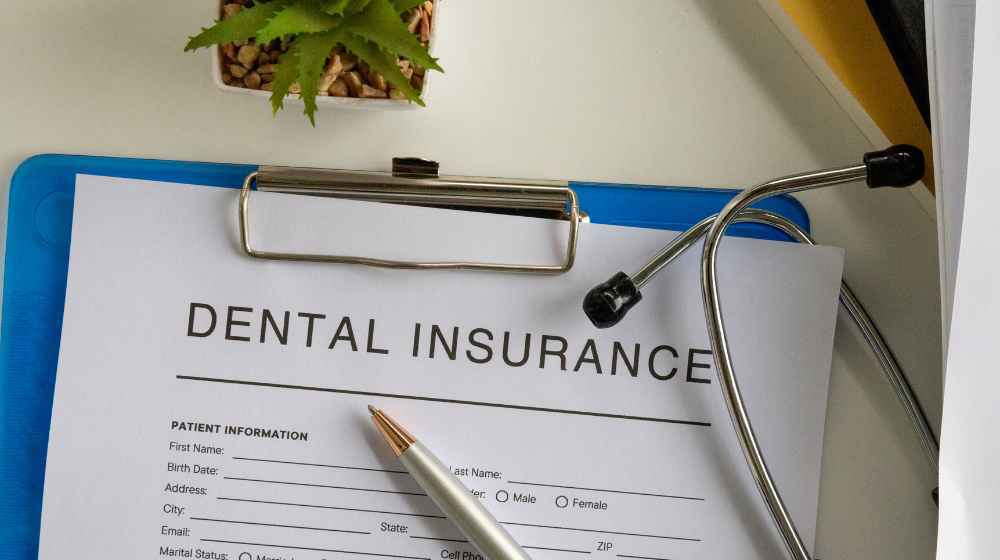
Dental claim forms are a foundational part of the revenue cycle for any dental practice. Whether submitting claims electronically or on paper, understanding how dental claim forms work—and how to complete them correctly—can make a significant difference in reimbursement speed, denial rates, and overall cash flow.
This guide breaks down what dental claim forms are, when they’re used, and best practices for ensuring claims are processed smoothly.
What Is a Dental Claim Form?
A dental claim form is a standardized document used by dental practices to submit treatment and billing information to insurance carriers for reimbursement.
The most widely accepted version is the ADA Dental Claim Form, developed and maintained by the American Dental Association (ADA). This form ensures consistency in how procedures, patient details, provider information, and fees are communicated to payers.
You can access the official ADA Dental Claim Form here:
👉 ADA Dental Claim Form
When Are Dental Claim Forms Used?
Dental claim forms are used whenever a practice seeks reimbursement from a dental insurance provider for covered services. They may be submitted:
-
Electronically (the most common method today)
-
On paper (in limited or specific situations)
Even when claims are submitted electronically, the structure and data fields still follow the ADA Dental Claim Form standards.
Key Sections of Dental Claim Forms
Understanding the main components of dental claim forms helps reduce errors and delays:
Patient Information
Includes:
-
Patient name and date of birth
-
Subscriber details (if different from the patient)
-
Insurance policy information
Provider Information
Includes:
-
Treating dentist and billing entity
-
NPI and license numbers
-
Practice address and contact details
Treatment Details
Includes:
-
Dates of service
-
Tooth numbers and surfaces
-
Fees charged
Additional Documentation
Some claims require:
-
Narratives
-
X-rays
-
Periodontal charting
-
Photos or supporting documentation
Incomplete or inconsistent information in any of these sections can result in claim denials or delays.
Common Dental Claim Form Errors to Avoid
Mistakes on dental claim forms are one of the top reasons claims are rejected or delayed. Common issues include:
-
Incorrect or outdated CDT codes
-
Missing tooth numbers or surfaces
-
Mismatched patient and subscriber information
-
Incomplete provider credentials
-
Missing attachments when required
Implementing review processes before submission can significantly reduce rework and resubmissions.
Electronic vs. Paper Dental Claim Forms
While paper dental claim forms are still used in some situations, most dental practices submit claims electronically due to speed, accuracy, and efficiency.
Paper dental claim forms follow the same ADA Dental Claim Form format but often require more manual effort. They can take longer to process, are more prone to errors, and offer limited visibility once submitted.
Electronic dental claim forms use the same ADA standard but provide clear advantages, including:
-
Faster processing and reimbursement
-
Built-in validation checks to reduce errors
-
Less manual data entry for staff
-
Improved tracking and claim visibility
Regardless of how a claim is submitted, the ADA Dental Claim Form remains the standard framework behind dental insurance billing. However, electronic submissions help practices streamline workflows and get paid faster with fewer administrative hurdles.
Best Practices for Managing Dental Claim Forms
To improve efficiency and reimbursement outcomes, practices should:
-
Use up-to-date CDT codes
-
Verify insurance information before appointments
-
Attach required documentation upfront
-
Track claims through to payment
-
Address rejections promptly and consistently
Strong claim management processes help protect revenue and reduce administrative burden on staff.
Practices that treat dental claim forms as a strategic part of their workflow, rather than just paperwork, are better positioned for long-term financial stability.
*This content was partially generated by artificial intelligence. It may contain errors or inaccuracies, and should not be relied upon as a substitute for professional advice.
Curve Dental
The team behind Curve Dental serves up content across all things dentistry to help you make informed decisions for your practice(s).