
Top 8 Trends Evolving The Landscape of Dentistry in 2026
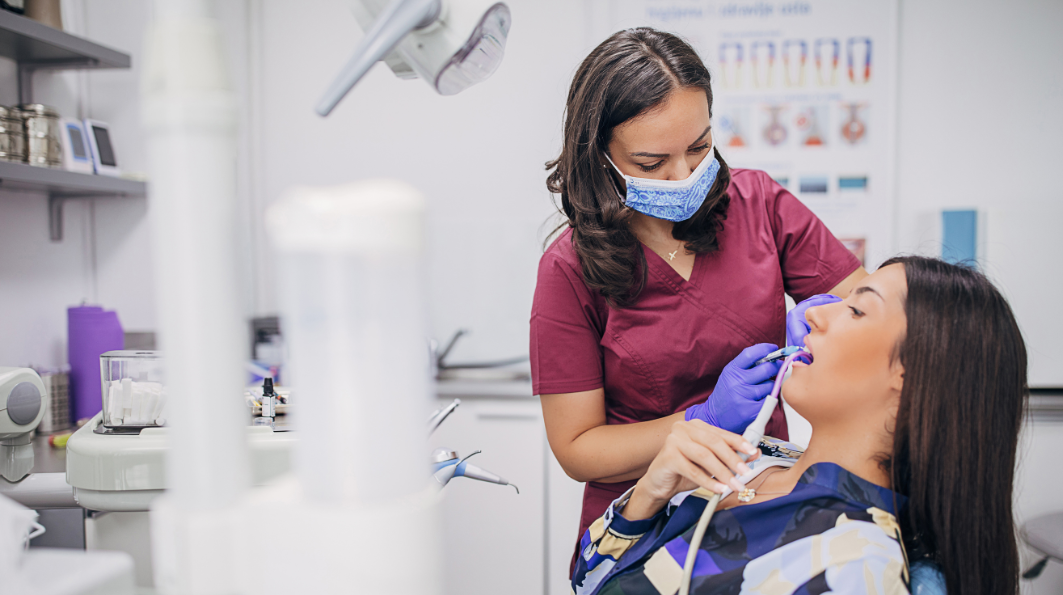
Dentistry in 2026 looks remarkably different from even five years ago. From AI in dentistry reshaping how clinicians detect disease to digital workflows replacing analog processes, the pace of change is accelerating fast — and practices that adapt stand to gain the most.
The dental industry is navigating a confluence of technological, demographic, and economic forces simultaneously. That's not a challenge to fear — it's an opportunity to seize.
The dental practices thriving in 2026 aren't just adopting new tools; they're rethinking how care is delivered from the ground up.
The eight trends explored in this article span everything from diagnostic technology to patient financing models. Understanding them helps practitioners make smarter investments — and helps patients understand what to expect from modern oral care. Let's start where much of the transformation begins: intelligent imaging and diagnostics.
1. AI-Powered Diagnostics and Imaging
Artificial intelligence is no longer a futuristic concept in dental care — it's a clinical reality reshaping how practitioners detect, diagnose, and treat patients every day. AI-powered imaging tools can now analyze radiographs in seconds, flagging potential cavities, bone loss, and periodontal issues with remarkable precision.
AI diagnostic tools are increasingly helping clinicians catch conditions earlier, reducing the risk of missed diagnoses and improving patient outcomes across the board.
Key benefits driving adoption include:
- Enhanced accuracy in identifying early-stage caries and lesions
- Faster workflow through automated image analysis
- Stronger patient communication with visual, AI-annotated findings
AI doesn't replace clinical judgment — it sharpens it, giving practitioners a powerful second opinion backed by data.
As AI continues to evolve alongside complementary innovations like 3D printing in dental applications, the entire diagnostic and treatment workflow is becoming faster, more precise, and more patient-centered. That manufacturing revolution deserves a closer look.
2. 3D Printing: Revolutionizing Dental Restorations
Building on the diagnostic precision that AI now enables, 3D printing is transforming what happens after a diagnosis — specifically, how restorations are designed and delivered. Same-day crowns, bridges, and surgical guides that once required external lab work can now be fabricated chairside in hours.
The technology's reach extends well beyond traditional restorations. One area seeing rapid growth is the clear aligners trend, where 3D-printed models and direct-printed aligner components are dramatically reducing production time and cost. Patient demand for aesthetic and minimally invasive options continues to surge — and 3D printing sits squarely at that intersection.
Key advantages driving adoption include:
- Faster turnaround — restorations delivered in a single appointment
- Improved accuracy — digital workflows reduce human error
- Lower material waste — precise fabrication cuts overhead costs
3D printing doesn't just accelerate production — it fundamentally shifts what's possible at the point of care. Practice management platforms that integrate with digital workflow tools help clinics capture these efficiencies without disrupting patient scheduling.
As fabrication technology matures chairside, another innovation is removing geographic barriers entirely, and that's where teledentistry enters the picture.
3. Teledentistry: Expanding Access to Dental Care
Beyond diagnostics and restorations, how patients connect with their dental providers is undergoing a quiet revolution. Teledentistry has moved well past pandemic-era necessity — it's now a legitimate care delivery model reshaping patient access across rural, underserved, and time-constrained communities. Virtual consultations are increasingly embedded into standard practice workflows, enabling providers to triage concerns, review records, and guide post-operative recovery remotely.
Key advantages driving adoption include:
- Reduced barriers to care for patients in geographic or financial hardship
- Faster triage for urgent versus non-urgent concerns
- Improved follow-up compliance through convenient virtual check-ins
- Integration with practice management platforms for seamless scheduling and documentation
Teledentistry extends the reach of every clinician who uses it strategically.
On the other hand, limitations around licensing across state lines and reimbursement standardization remain ongoing challenges. Still, practices combining teledentistry with innovations like laser dentistry advancements — which minimize invasiveness and accelerate healing — stand to deliver remarkably streamlined patient experiences. Speaking of precision-driven procedures, that same philosophy extends naturally into guided implant surgery.
4. Guided Implant Surgery: Precision and Predictability
The teledentistry growth we've seen in recent years has shown that patients want better outcomes with less guesswork, and guided implant surgery delivers exactly that in the operatory. This approach uses digital planning software combined with surgical guides (typically 3D-printed) to place implants with exceptional accuracy, minimizing the margin for error that freehand techniques carry.
Here's what makes guided implant surgery a standout trend for 2026:
- Digital treatment planning: Surgeons map implant placement virtually before making a single incision, using CBCT scans and software to anticipate anatomy-specific challenges.
- Surgical guide fabrication: Custom guides direct drill angulation and depth precisely, reducing procedural variability.
- Shorter recovery times: Greater precision typically means less tissue trauma and faster healing for patients.
Digital workflows are increasingly central to implant protocols across practices of all sizes. Predictable outcomes build patient trust — and trust drives case acceptance.
As guided surgery continues to evolve, the materials used in implants and restorations are equally critical to long-term success, which brings us to the growing conversation around biocompatible materials.
5. Biocompatible Materials: Enhancing Patient Safety
The shift toward precision we've seen in guided implant surgery extends naturally into the materials dentists now use every day. Biocompatible materials — substances that integrate safely with human tissue — are reshaping restorations, implants, and prosthetics in ways patients can genuinely feel.
Key developments driving this trend include:
- Zirconia restorations: Metal-free crowns and bridges that offer both durability and a natural aesthetic, reducing the risk of allergic reactions
- Ceramic and composite innovations: Tooth-colored materials now support same-day restorations through CAD/CAM milling, meaning patients leave with completed work in a single visit
- BPA-free composites: Growing patient awareness around chemical sensitivities is pushing demand for materials with safer formulations
Material science advancements are increasingly influencing patient choice — not just clinical outcomes. Patients in 2026 are asking what's in their restorations, and practices that can answer confidently build stronger trust.
Of course, material selection always involves tradeoffs between cost, durability, and clinical suitability — no single material works for every case. As these innovations intersect with how the overall patient visit is designed, the next logical focus becomes something broader: the complete in-office experience itself.
6. Comprehensive Patient Experience: Comfort-First Approach
Among the new trends in dentistry reshaping practices in 2026, the shift toward a comfort-first patient experience stands out as both a competitive differentiator and a genuine care improvement. Patients today expect more than clinical competence — they expect to feel at ease from the moment they book an appointment to the moment they walk out the door.
Practices are responding with tangible changes across the entire care journey:
- Anxiety-reduction protocols — Offering sedation options, noise-canceling headphones, and calming treatment room environments to address dental anxiety head-on
- Transparent communication — Providing clear treatment explanations, upfront cost estimates, and digital consent forms that reduce patient stress before the chair
- Flexible scheduling and digital convenience — Online booking, automated reminders, and virtual consultations that remove friction from every touchpoint
- Post-visit follow-up — Proactive check-ins after procedures that build trust and improve long-term retention
Patient experience has become the new clinical credential — practices that invest in comfort see measurably better recall rates and referrals. However, it's worth noting that comfort-first improvements require thoughtful implementation; rushed adoption without staff training can feel performative rather than genuine.
The behind-the-scenes systems powering these experience upgrades are often overlooked in broader conversations about dental innovation — and that's exactly where the next layer of insight gets interesting.
7. Demand and Growth in Cosmetic Dentistry
Cosmetic dentistry is no longer a luxury niche — it's a mainstream driver of patient volume and practice revenue heading into 2026. Social media, video calls, and an increasingly appearance-conscious culture have converged to make smile aesthetics a top priority for patients across nearly every demographic.
Key cosmetic services experiencing surging demand include:
- Teeth whitening — still the most requested elective procedure
- Veneers and smile makeovers — driven by digital smile design tools
- Clear aligner therapy — expanding beyond orthodontic offices into general practice
- Dental implants — now a leading solution for dental technology missing teeth cases, combining aesthetics with function
Cosmetic dentistry is no longer just about appearance, it's become a gateway through which patients re-engage with their overall oral health.
Practices that invest in cosmetic offerings tend to see stronger patient retention and higher case acceptance rates. And with same-day treatment capabilities increasingly making these procedures faster and more accessible, the cosmetic category is poised for even broader growth — which is exactly where our next trend comes in.
8. Same-Day Treatments
The expectation for immediate results extends far beyond aesthetics. Same-day dentistry is rapidly becoming a defining standard of care, and the AI impact on dentists is a central reason why.
Here's what's making same-day treatment a 2026 reality:
- CAD/CAM crown milling — In-office systems fabricate permanent crowns in under two hours, eliminating temporary restorations and return appointments
- AI-assisted diagnostics — Real-time imaging analysis accelerates treatment planning, allowing providers to move from exam to procedure in a single visit
- Same-day implant placement — Guided surgical technology enables tooth extraction and implant placement in one appointment
- Streamlined scheduling software — Practice management platforms coordinate chair time, lab workflows, and patient communication to make same-day slots operationally feasible
Patients who complete care in one visit are measurably more likely to follow through on recommended treatment. Fewer appointments mean fewer opportunities to cancel or reconsider. For practices, that translates directly into higher case acceptance and stronger revenue.
The operational intelligence needed to pull this off consistently — from scheduling to documentation — sets the stage for everything that follows in today's most forward-thinking practices.
What Most Guides Miss: Behind the Scenes of Innovations
Trend lists often spotlight the flashiest tools, but the latest dental technology adoption story is more nuanced than headlines suggest. A few behind-the-scenes realities shape how innovations actually land in clinical practice:
- Staff training drives outcomes, not hardware alone. Even the most advanced imaging system underperforms without consistent team protocols and ongoing education.
- Data integration is the quiet differentiator. Connecting diagnostic tools, patient records, and billing workflows determines whether technology saves time or creates new bottlenecks.
- Vendor support ecosystems matter enormously. Practices that thrive with new tech typically have reliable implementation partners, not just a purchase invoice.
- Patient communication bridges the adoption gap. When teams explain why a new tool benefits patients, acceptance rates climb and trust deepens.
The technology itself is rarely the bottleneck — the systems surrounding it are. Recognizing this distinction helps practices make smarter investments. Of course, even well-supported innovations come with real constraints worth examining carefully.
8. Limitations and Considerations in Adopting New Technologies
The future of dentistry is undeniably exciting — but responsible adoption requires honest acknowledgment of real-world barriers. Not every innovative tool translates seamlessly from conference showcase to clinical routine. Practices considering new investments should weigh these key considerations:
- Upfront costs: Advanced equipment like CBCT scanners, AI diagnostic platforms, and CAD/CAM systems carry significant price tags that smaller or independent practices may struggle to absorb without financing strategies.
- Staff training curves: New technology demands time and retraining. Workflow disruptions during onboarding periods can temporarily impact patient throughput and team morale.
- Integration challenges: Disparate systems that don't communicate with existing practice management software create data silos and administrative friction.
- Patient readiness: Not all patients embrace digital-first approaches equally, particularly older demographics or those with technology anxiety.
- Regulatory and compliance considerations: Emerging tools, especially AI-driven diagnostics, may face evolving regulatory scrutiny.
The most successful practices approach technology adoption incrementally, aligning each investment with clear clinical goals and measurable ROI. Understanding these friction points positions any practice to navigate change more strategically — which connects directly to why strong demand continues driving another major area of growth worth examining: cosmetic dentistry.
Key Takeaways: Staying Ahead in Dentistry's Most Dynamic Era
The trends reshaping dentistry in 2026 aren't isolated developments — they're interconnected forces demanding a coordinated response. Wondering about the best dental skills 2026 and beyond required to thrive? The answer combines clinical expertise with digital fluency, business acumen, and patient-centered communication.
Here's what to carry forward:
- AI and digital diagnostics are elevating accuracy and efficiency across every care pathway
- Preventive and minimally invasive care is the new standard, not the exception
- Cosmetic dentistry demand continues to grow, driven by social media and accessibility
- Same-day treatments are meeting patients' expectations for immediate, convenient care
- Practice management technology — including modern software platforms like Curve Dental® — ties these trends together operationally
The practices that will lead aren't those chasing every trend — they're the ones thoughtfully integrating the right tools at the right time. The future of dental care is smarter, faster, and more patient-focused than ever. Now is the moment to assess where your practice stands and take deliberate steps forward.
*This content was partially generated by artificial intelligence. It may contain errors or inaccuracies, and should not be relied upon as a substitute for professional advice.

Curve Dental
The team behind Curve Dental serves up content across all things dentistry to help you make informed decisions for your practice(s).