
Best Dental Equipment for New Clinics 2026: What to Buy and Why It Matters
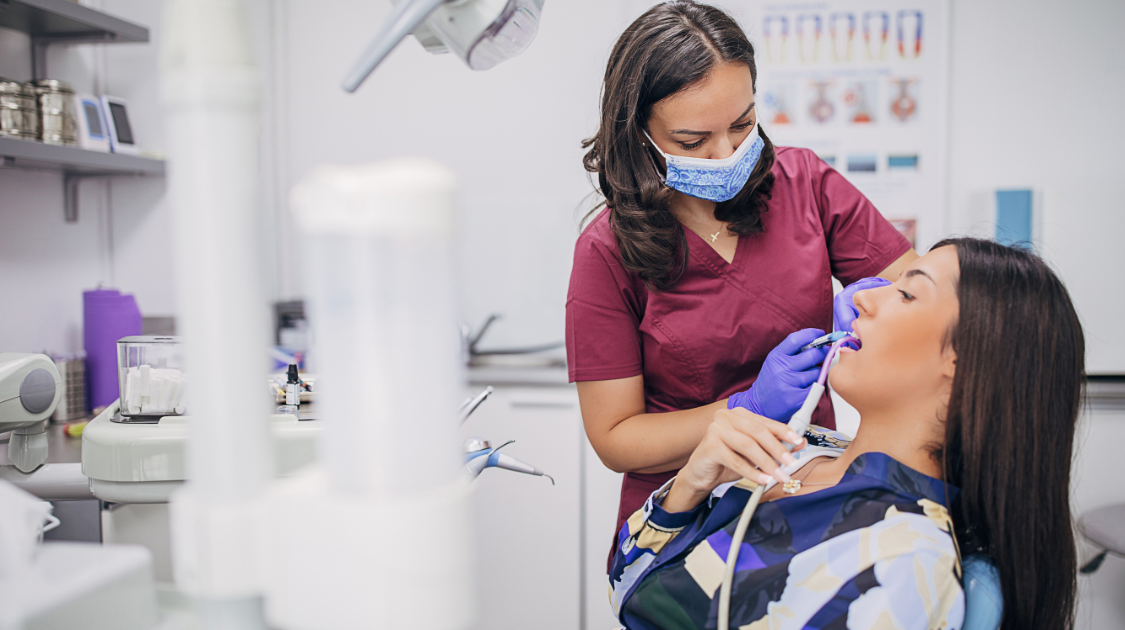
Introduction: Launching Your Dental Clinic in 2026
Choosing the best dental equipment for new clinics in 2026 is one of the most important decisions you’ll make as a startup owner. Opening a dental practice today means entering a landscape where AI-assisted diagnostics, digital workflows, and patient-centered technology are no longer optional — they’re expected.
Your equipment choices will shape operational efficiency, clinical capability, and financial stability for years. The best dental equipment for new clinics balances immediate functionality with long-term scalability — purchases that serve both your first patient and your thousandth without requiring replacement.
This isn’t about chasing every innovation or overextending your credit line on premium brands. It’s about identifying which investments deliver measurable ROI through faster appointments, reduced lab costs, improved diagnostics, and smoother workflows.
In this guide, we’ll cover ten essential categories of dental equipment for startups in 2026, focusing on reliability, workflow impact, integration, and realistic return timelines.
1. Intraoral Scanners: The Foundation of Digital Dentistry
Intraoral scanners are no longer a luxury, they’re quickly becoming standard equipment for new clinics in 2026.
These systems replace traditional impression trays with fast, precise 3D imaging. Beyond patient comfort, they dramatically improve workflow efficiency. Digital files move instantly to labs or in-house design systems, eliminating shipping delays and remakes.
Modern scanners integrate with:
- Clear aligner systems
- Implant planning software
- 3D printing workflows
- Practice management platforms
For startups, refurbished scanners can reduce upfront costs by 30–50% without sacrificing accuracy — provided you secure warranty coverage and proper calibration verification.
This technology becomes the backbone of your digital workflow — and integration is what determines whether it truly saves time.
2. Practice Management Software: Your Operational Backbone
Before investing heavily in hardware, secure your infrastructure.
Practice management software is arguably the most important “equipment” decision for a new dental clinic. It determines whether scheduling, billing, and patient communication feel seamless — or chaotic.
Leading platforms like:
- Dentrix
- Open Dental
- Curve Dental
combine scheduling, charting, billing, and patient communication into one centralized system.
For new clinics in 2026, integration is critical. Your software should communicate directly with imaging systems, scanners, and patient engagement tools without manual re-entry. Cloud-based access allows you to review performance metrics remotely, track production, and identify bottlenecks early.
The ROI is immediate:
- Fewer billing errors
- Reduced no-shows
- Faster claims
- Better patient experience
When evaluating the best dental equipment for new clinics, software isn’t optional — it’s foundational.
3. 3D Printing: Controlling Speed and Margin
3D printing has moved from advanced to accessible.
For new dental clinics in 2026, in-house printing reduces turnaround time from weeks to hours. Crowns, surgical guides, night guards, and aligner models can often be delivered the same day.
Benefits include:
- Faster case completion
- Fewer temporaries
- Lower per-unit costs
- Greater quality control
Entry-level resin printers typically range from $3,000–$15,000. However, factor in post-processing time, training, and material certification requirements.
Start simple. Many new practices begin with aligner models or surgical guides before expanding into full prosthetics.
4. Ergonomic Dental Chairs: Protecting Patients and Providers
Your dental chair impacts both patient comfort and provider longevity.
Ergonomic chairs with programmable positioning, high-quality upholstery, and proper headrest support improve patient perception and reduce physical strain on clinicians.
New practice owners often underestimate musculoskeletal risk. Five years of poor ergonomics can create chronic pain that limits productivity.
When selecting chairs:
- Test weight capacity
- Evaluate upholstery durability
- Confirm integration with delivery systems
- Consider future operatory expansion
Reliable, comfortable chairs remain one of the most important core investments for new clinics.
5. Digital X-Ray Systems: Faster, Safer Diagnostics
Digital radiography remains essential for new clinics in 2026.
Compared to traditional film, digital X-rays reduce radiation exposure by up to 80% and deliver instant imaging. That speed improves case acceptance and strengthens patient trust.
Benefits include:
- Immediate chairside consultation
- No darkroom
- Lower recurring supply costs
- Seamless software integration
Digital imaging integrates directly into your practice management system, supporting a fully digital workflow from diagnosis to billing.
6. Sterilization Systems: Compliance Is Non-Negotiable
Sterilization equipment isn’t flashy, but it’s critical.
Class B autoclaves are the 2026 standard. They properly sterilize wrapped instruments and hollow devices and provide cycle validation documentation required during inspections.
Budget range: $5,000–$15,000.
Refurbished units can offer savings, but only when purchased from reputable suppliers with full recertification and warranty coverage.
Pair sterilization equipment with:
- Ultrasonic cleaners
- Instrument cassettes
- Clearly defined sterile and contaminated zones
Workflow design matters just as much as the equipment itself.
7. Implementation Patterns: What Actually Happens
Most new clinics implement technology in stages.
Common sequence:
- Digital X-rays
- Practice management software
- Intraoral scanner
- 3D printing
The first 90 days often feel disruptive. Staff training, integration adjustments, and workflow redesign take time.
Practices that use a phased rollout report fewer operational setbacks than those attempting full simultaneous adoption. Pilot new systems before full implementation.
Resilience first. Complexity second.
Limitations and Considerations
Equipment decisions create multi-year commitments.
Consider:
- Obsolescence cycles for digital systems
- Software compatibility updates
- Five-year space requirements
- Maintenance costs (10–15% annually)
- Staff training timelines
Your productivity may temporarily decline during implementation. Plan for that dip.
Technology should support your growth — not strain it.
Key Takeaways: Choosing the Best Dental Equipment for New Clinics 2026
Starting a dental clinic in 2026 requires balancing today’s operational needs with tomorrow’s growth.
Three priorities should guide every equipment decision:
- Core functionality first — chairs, sterilization, and imaging form the foundation.
- Digital integration second — scanners and software improve efficiency and patient experience.
- Financial flexibility always — avoid overcommitting capital before demand is proven.
The best dental equipment for new clinics isn’t the most advanced — it’s the most aligned with your patient volume, service mix, and five-year growth plan.
Phase investments strategically. Choose systems that integrate cleanly. And prioritize tools that reduce friction, not add complexity.
Your equipment decisions compound over time. Make them deliberately.
*This content was partially generated by artificial intelligence. It may contain errors or inaccuracies, and should not be relied upon as a substitute for professional advice.

Curve Dental
The team behind Curve Dental serves up content across all things dentistry to help you make informed decisions for your practice(s).